In the hospitality industry, signage plays a pivotal role in shaping the overall guest experience. Whether in a hotel, restaurant, or resort, signs act as navigational tools, branding elements, communication devices, and design features that collectively enhance the guest experience. While signage may seem like a simple and functional addition, it is much more than that—it serves to inform, engage, and elevate the ambiance. Let’s explore how effective signage is strategically used by hotels, restaurants, and resorts to create a welcoming atmosphere, guide guests through their spaces, and contribute to the establishment’s branding and overall customer satisfaction.
The Importance of Signage in the Hospitality Industry
Signage in the hospitality industry is essential for several reasons. First and foremost, it helps guests navigate the space with ease. Whether it’s directing them to a specific room in a sprawling hotel, guiding them to the restrooms in a busy restaurant, or leading them to an event venue at a resort, well-placed signs ensure a smooth, frustration-free experience.
Additionally, signage serves as an essential branding tool. Signs are often the first interaction a guest has with a hotel, restaurant, or resort. Therefore, they offer an opportunity to convey the brand’s identity, ethos, and personality. A hotel might use signage to communicate its theme, a restaurant may set the tone for its dining experience, and a resort can enhance the feeling of exclusivity or luxury through thoughtful signage.
Finally, signage helps manage expectations and provides useful information. It can inform guests about available services, operational hours, safety guidelines, and more. In the hospitality industry, where convenience and clarity are paramount, good signage ensures that guests can quickly access the information they need, improving their experience and encouraging repeat visits.
Signage in Hotels: Creating a Seamless Experience
Hotels often span large properties with various amenities, rooms, and services spread across multiple floors or wings. In such environments, signage is indispensable for efficient guest movement and comfort.
- Directional Signs
One of the most obvious uses of signage in hotels is directional signage. As guests arrive at the hotel, they need clear directions to key areas such as the lobby, reception, elevators, guest rooms, conference rooms, restaurants, and fitness centres. Signage ensures that guests can easily navigate the property without confusion or frustration. Many hotels use illuminated or color-coded signs to distinguish between different areas, helping guests make their way to their desired location in a timely manner. - Room Numbers and Doors
In the context of guest rooms, clear signage is crucial. Not only does each hotel room need to be clearly numbered for guests to identify, but the door signs should be designed to be easily visible in various lighting conditions. Additionally, some upscale hotels incorporate signage on the doors that reflects the room’s unique identity or level of luxury, whether through custom doorplates, elegant fonts, or materials like brass or wood. - Branded Signage
Hotels often use signage as an extension of their branding. Beyond the corporate logo, hotels incorporate design elements into signage to convey the atmosphere and tone of the establishment. For example, a modern boutique hotel may opt for sleek, minimalist signs, while a resort with a tropical theme might use natural materials like wood and palm fronds to create a more rustic, relaxed feel. Signage in hotels, from lobby directories to in-room instructions, helps to build the guest’s perception of the hotel’s overall atmosphere. - Functional Information
Beyond helping guests find their way, signage also conveys important functional information. This includes emergency exit routes, fire safety instructions, hours of operation for on-site services (like the spa or restaurant), and policies such as no smoking areas. Well-placed signage ensures that guests have access to crucial information that helps them feel safe and informed during their stay.
Read More: Why Rushed Kitchen Decisions Often Become Regrets
Signage in Restaurants: Setting the Mood and Enhancing Service
Restaurants, whether casual or fine dining, utilise signage to create ambiance, guide guests through the dining experience, and promote menu items or specials. The effective use of signage can significantly impact the overall dining experience.
- Entrance and Exterior Signage
A restaurant’s exterior signage is often its first impression for potential customers. It can influence whether a passerby chooses to enter. Clear and attractive exterior signage, whether a brightly lit name sign, a chalkboard menu, or a creative logo, conveys the type of cuisine and atmosphere inside. In high-end dining establishments, elegant signage may be paired with sophisticated lighting to create an inviting and upscale atmosphere, while more casual eateries may focus on playful, bold fonts and colours to catch the eye of guests looking for a laid-back experience. - Interior Signage
Inside the restaurant, signage helps guide guests to their tables, bathrooms, or bar areas. Simple and tasteful directional signage, such as “Please wait to be seated” or “Restrooms this way,” ensures that guests feel comfortable, without the need for constant staff intervention. Restaurant signage also plays an essential role in promoting specials, featured dishes, or seasonal menus. Digital screens or printed boards near the entrance or within the dining room can highlight limited-time offerings or customer favourites. - Thematic Signage
Restaurants often use signage to reinforce their themes or concepts. For example, a family-friendly diner might use playful, colourful signs that cater to younger guests, whereas a steakhouse might choose more classic, rustic signage to evoke a sense of tradition and heritage. Menus are another form of signage, serving not just as a list of food items, but also as a statement of the restaurant’s culinary philosophy and style. - Promoting Customer Interaction
In many contemporary restaurants, signage encourages guests to interact with the dining experience in novel ways. For instance, some restaurants incorporate interactive signs that allow guests to learn about the ingredients used in their dishes or even allow them to place orders directly from digital displays. This enhances the customer experience by merging convenience with educational elements.
Signage in Resorts: Elevating the Guest Experience
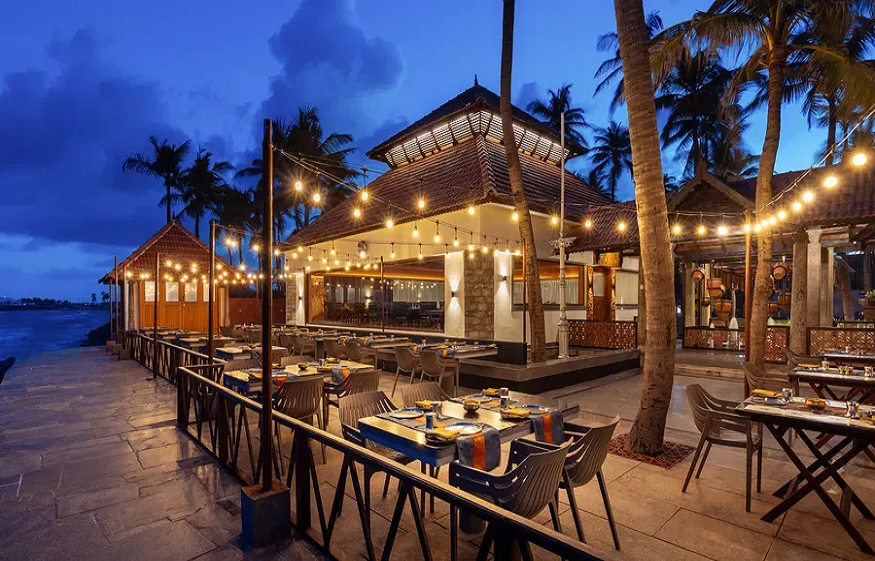
In resorts, where the goal is to offer a luxurious and immersive experience, signage plays a multifaceted role in guiding, informing, and entertaining guests. Resorts typically span large properties with various facilities such as pools, golf courses, spas, and restaurants. The signage in these environments must support guest satisfaction while reinforcing the resort’s brand values.
- Wayfinding and Directional Signs
Resorts often have sprawling properties with various amenities located far apart from each other. Clear, well-designed directional signage is essential to helping guests easily find their way to key areas such as the beach, tennis courts, spa, or dining areas. In addition to traditional directional signs, some resorts incorporate thematic or natural elements into signage, such as using sandblasted wood for rustic signs or stone markers to blend with the natural environment. - Safety and Informational Signage
In resort settings, signage provides important safety and operational information. Resort guests may encounter unique or potentially hazardous areas, such as water features, hiking trails, or hot tubs. Informative signs that explain rules or provide safety instructions are crucial in ensuring guest safety. Additionally, resort signage often highlights the availability of amenities, schedules for activities (like yoga classes or water sports), and essential policies (such as pet-friendly areas).
Read More: Moving in winter: advantage, disadvantage, impact on the price
For wider commercial, hospitality, or public-facing projects, small supporting details can make the finished space feel more complete. Composite decking can provide a durable, low-maintenance surface for terraces, entrances, outdoor seating areas, and customer-facing spaces; while hand dryers can support cleaner, more efficient washroom facilities; while traditional signage can add character, direction, and brand presence; while digital signage can share changing information, promotions, menus, or wayfinding updates clearly.
3. Branding and Luxury Signage
High-end resorts use signage to reinforce the luxury experience, incorporating elegant materials and design aesthetics. For instance, a resort in a tropical location might use stylish signage made of bamboo or polished metal with subtle, integrated lighting to enhance the upscale feel. Signage in luxury resorts is often understated but carefully crafted to align with the property’s overall design language, ensuring a consistent and memorable guest experience.