Lighting can completely change the way a room feels. The right setup adds warmth, defines spaces, and brings out the best in your interiors.
False ceiling lights have become a go-to choice in modern homes because they offer a clean look while keeping fixtures hidden. When you combine ceiling lights with LED panel lighting, you create layers of illumination that make rooms feel inviting and balanced.
This guide walks you through practical false ceiling lighting ideas to transform your interiors.
Why False Ceiling Lighting Is Popular in Modern Interiors
False ceilings create a secondary layer below the main ceiling, and that gap is perfect for tucking away wiring and fixtures. The result is a polished space without exposed fittings or dangling cords.
Read More: Choosing the Right Electrician Cedar Park Expert for Safe and Reliable Service
Key advantages include:
- Clean and modern appearance that suits a range of styles
- Better light distribution across the room, reducing harsh shadows
- Ability to combine multiple lighting types within a single ceiling layout
- Flexibility in lighting placement as needs change
When false ceiling lights work alongside ceiling lights and led panel fixtures, the effect is a balanced interior that feels cohesive from wall to wall.
Types of False Ceiling Lights Used in Interior Design
-
Recessed Ceiling Lights for Minimalist Spaces
Recessed lights sit flush within the ceiling surface, offering focused illumination without visual bulk. They are popular in living rooms, bedrooms, and kitchens where a clean look is the priority. Recessed ceiling lights keep the focus on your decor rather than the fixtures.
-
LED Panel Lighting for Even Illumination
The led panel has become a favourite in contemporary homes. These slim fixtures provide uniform lighting across large ceiling areas, making them ideal for spaces where consistent brightness matters.
Typical applications include:
- Living rooms where even lighting sets a comfortable tone
- Home offices that need glare-free, steady light for screen work
- Study areas where soft lighting supports concentration
-
Decorative Ceiling Lights for Visual Interest
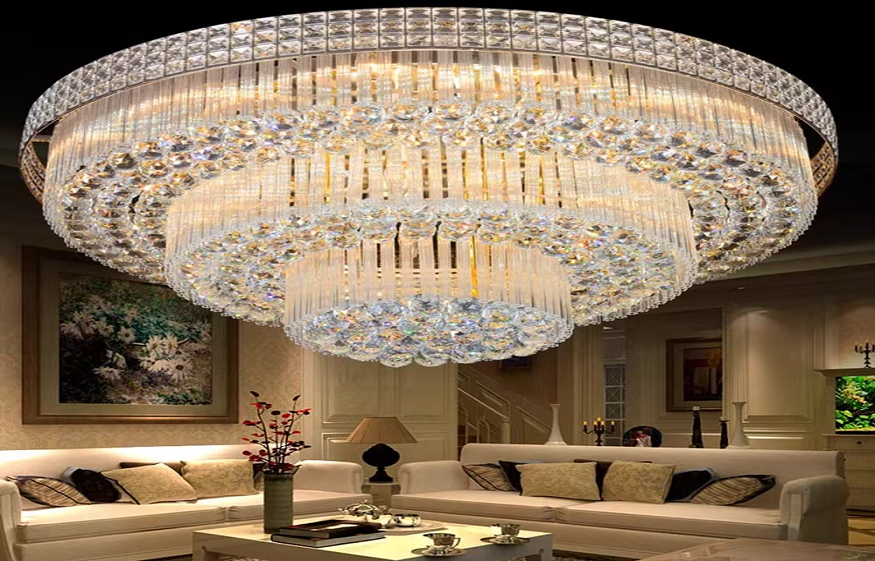
Decorative ceiling lights add personality and serve as a focal point. They work beautifully alongside concealed false ceiling lights, creating contrast and depth.
Examples:
- Pendant lighting in dining areas for a warm, intimate feel
- Chandeliers in living rooms for a touch of elegance
- Statement ceiling fixtures in entryways or hallways
Creative False Ceiling Lighting Ideas for Different Rooms
-
Living Room False Ceiling Lighting
The living room is the heart of the home, and layered lighting makes it special. Combining ceiling lights with ambient sources helps define zones for conversation and relaxation.
Ideas to consider:
- Cove lighting along ceiling edges for a soft, floating glow
- Recessed lights for overall brightness without cluttering the ceiling
- Accent lighting directed at artwork or decorative features
-
Bedroom False Ceiling Lighting Ideas
Bedrooms call for a gentler approach. Soft, calming lighting sets the right mood for rest.
Lighting combinations worth exploring:
- Warm-toned false ceiling lights that create a cosy atmosphere
- Indirect cove lighting that washes the ceiling with a subtle glow
- Bedside wall lighting paired with overhead fixtures for flexible control
-
Kitchen and Dining Area Lighting
In kitchens and dining areas, lighting needs to be practical and inviting. Visibility matters for meal prep, while softer lighting sets the mood for dining.
Effective solutions:
- Led panel lighting for uniform brightness across kitchen counters
- Recessed task lighting above workspaces
- Decorative ceiling lights above the dining table as a warm centrepiece
How LED Panel Lighting Enhances False Ceilings
LED panel lighting is widely used in false ceilings because it pairs well with the slim profile modern ceiling designs demand. Panels fit neatly into the framework, creating a seamless look.
Key features:
- Slim design suited to modern ceiling structures
- Energy efficiency compared to traditional fixtures
- Consistent illumination without harsh shadows
- Suitable for both residential and workspace environments
Tips for Choosing the Right Ceiling Lights for False Ceilings
Consider these factors before installation:
- Room size. Larger spaces may need multiple ceiling lights or panels for even coverage.
- Lighting purpose. Determine whether you need ambient, task, or accent lighting.
- Colour temperature. Warm tones suit bedrooms, neutral tones work well in living areas and kitchens.
- Ceiling height. False ceilings reduce overhead space, so choose lighting that complements room proportions.
- Lighting layers. Combining false ceiling lights, led panel fixtures, and decorative lighting often produces the best results.
Modern False Ceiling Lighting Trends
Design trends worth watching:
- Hidden cove lighting for a soft, indirect glow around the room perimeter
- Minimal recessed ceiling lights arranged in geometric layouts
- Large LED panel installations for seamless illumination
- Smart lighting systems integrated into false ceilings for colour and brightness control
These trends share a common thread: simplicity, energy efficiency, and visual balance.
Common Mistakes to Avoid with False Ceiling Lighting
Even great lighting ideas can fall flat without planning. Pitfalls worth avoiding:
- Installing too many lights in a small space, making the room feel over-lit
- Using mismatched colour temperatures that create a jarring ambience
- Ignoring lighting layers and relying on a single fixture type
- Poor placement of ceiling lights leading to uneven brightness or dark corners
Thoughtful planning helps ensure that false ceiling lights enhance both comfort and visual appeal.
Conclusion
When you integrate lighting with ceiling design, you open up creative possibilities that improve how a room looks and feels.
Read More: Step-By-Step Guide for Buying Modular Switches In 2025
False ceiling lights, LED panel lighting, and well-placed ceiling lights each contribute to functional, comfortable, and visually pleasing interiors. Think about layers, placement, and purpose before making your choices.
With a bit of planning and the right combination of fixtures, your ceilings can become a design feature that ties everything together.